Table of Contents
Thinking about solar panels for your home? Understanding efficiency isn’t just about numbers—it’s about how much energy your panels actually produce and how that affects your bills and your long-term savings. From panel type and roof orientation to shading and maintenance, a few key factors can make all the difference. Let’s break it down so you can see exactly what works for your home.
What Does Solar Panel Efficiency Actually Mean?
When you see a panel rated at 20% efficiency, it means roughly 20% of the sunlight hitting the panel gets converted into electricity. That might sound low, but even small differences can add up over a year, especially if your roof is small or shaded.
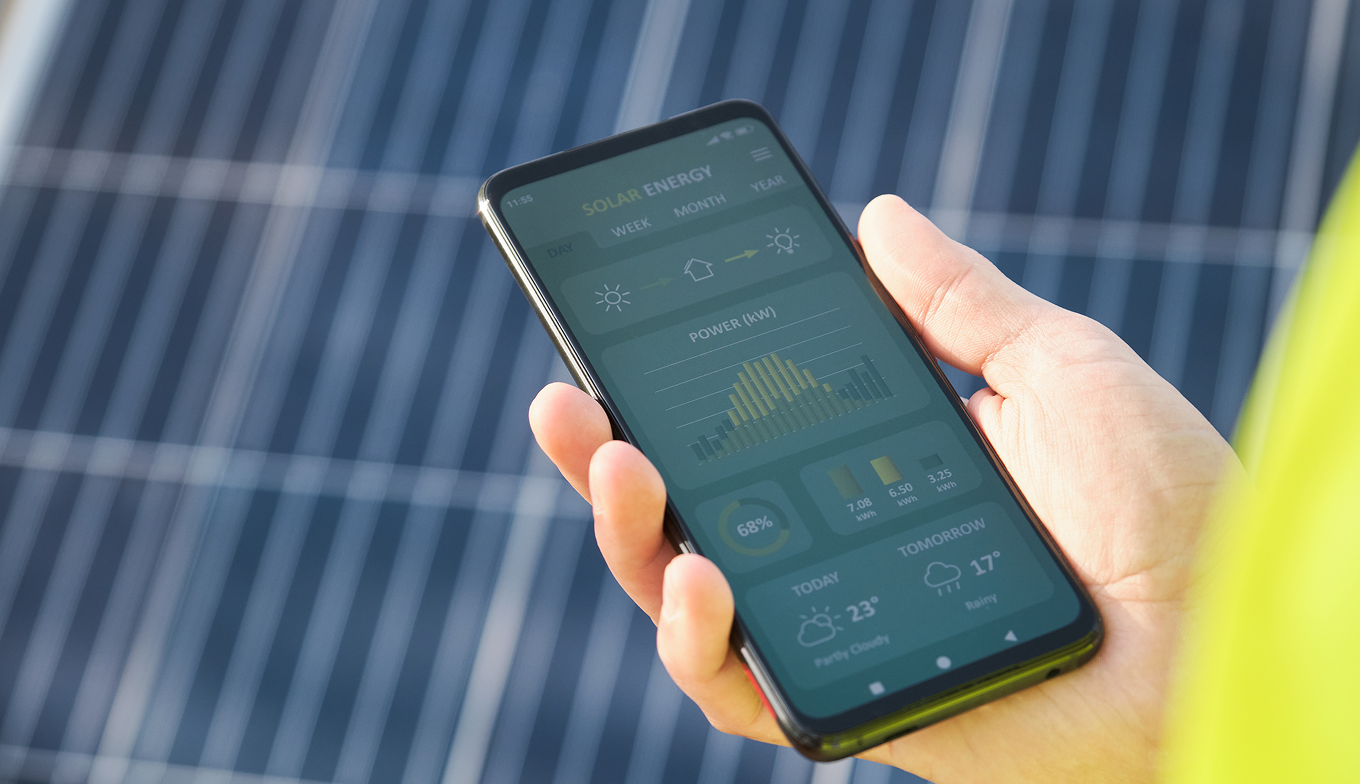
Here’s the kicker: efficiency is just one piece of the puzzle. Your total solar energy generation depends on how many panels you have, where they’re placed, the type of inverter you use, and even how often you clean them.
For example, if you have a large south-facing roof, slightly lower-efficiency panels could generate just as much electricity as premium panels—and cost less to install. But if roof space is tight, higher-efficiency panels are worth the investment.
Research shows most UK homes see panel efficiency between 15–22% under typical conditions, and top-tier panels can go a bit higher.
Real-World Performance: Why Lab Efficiency Isn’t the Whole Story
Here’s where it gets interesting. Lab efficiency ratings tell you how a panel performs in perfect conditions—but UK homes don’t get perfect conditions. We have clouds, rain, seasonal sun angles, and sometimes roofs that aren’t perfect.
That’s why experts use something called the performance ratio (PR). PR looks at the whole system: panels, inverters, shading, and temperature. Studies show that for UK domestic solar:
- Typical PR: 0.85–0.90 (so a system rated at 100% output usually gives 85–90% after real-world losses)
- Top systems: rarely exceed 0.92
- Annual degradation: 0.3–0.8% per year
In other words, a new system will lose just a few per cent of its output each year. Over 10 years, that’s about a 3–8% drop—gradual, not sudden. Whiterose.ac
Why Roof Orientation and Shading Matter
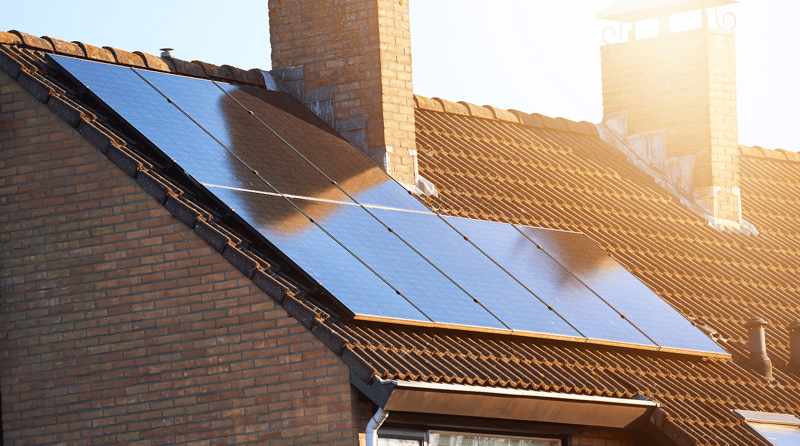
Real-world performance isn’t just about panel efficiency—where your panels go matters a lot. Shading and roof orientation are two of the biggest reasons domestic systems underperform. They reduce sunlight hitting the panels and create “mismatch losses” across the array. A well-placed, unshaded system can produce more electricity than a higher-efficiency panel that’s poorly oriented or shaded. Anzasca
Shading Effects
Partial shading can cause surprisingly large losses. In one study, 40–60% shading on a single cell reduced power by 36–42%, and temperatures in the shaded cells could spike to 85–90°C, creating hotspots. That’s why shadows from trees, chimneys, nearby buildings, bird droppings, or debris can have a big impact on your domestic rooftop output. Nature
Orientation Effects
The direction your roof faces and its tilt matter too. Panels that face the optimal direction for your hemisphere capture sunlight more directly throughout the day and year, which can increase annual energy output more than a minor difference in panel efficiency. ScienceDirect
What this means for UK homes: shade avoidance and roof direction are usually more important than squeezing out a few extra percentage points of efficiency. If parts of your roof are shaded, optimisers or microinverters can help reduce losses, but they can’t fully overcome shading physics.
How Solar Panels Degrade Over Time
A common concern for homeowners is, “Will these panels still work in 10, 15, or 25 years?” Here’s what the research says for UK homes:
- England: 0.7–0.9% annual degradation
- Scotland: ~1% per year (colder weather can slightly accelerate wear)
- Causes: heat stress, moisture and corrosion, UV exposure, microcracks, hotspots, or installation issues
- Most panels are still 80–90% efficient after 25 years
- Warranties usually cover 90% output at year 10 and 80% at year 25
This means your panels slowly lose a little efficiency each year, but in practice, they still deliver most of their rated power long-term. Regular cleaning and good installation can help slow degradation.
Which Panels Are the Most Efficient?
If you’re looking for the most efficient solar panels, it helps to see how different brands and models stack up. Efficiency numbers tell you how much sunlight a panel converts to electricity under ideal conditions—but remember, real-world output also depends on roof orientation, shading, and system design.
Here’s a quick comparison of some of the top-performing panels on the market:
| Brand / Model | Efficiency | Power | Degradation | Temp Coefficient |
|---|---|---|---|---|
| AIKO Neostar 3N54 | 24.3% | 485W | ≤1% yr1, ≤0.35%/yr | N/A |
| SunPower Maxeon 7 | 24.1% | 435–445W | 2% yr1, 0.25%/yr | Strong |
| Jinko Tiger Neo 72HL4 | ~22.8% | 560–580W | 1% yr1, 0.40%/yr | N-type |
| LONGi Hi-MO X6 Scientist | 23.3% | 630W | ≤1.5% yr1, ≤0.40%/yr | -0.29%/°C |
| REC Alpha Pure-RX | 22.6% | 470W | >92% at yr25 | -0.24%/°C |
Pro tip for homeowners: High efficiency is great, but placement and shading often matter more than a few percentage points. A slightly lower-efficiency panel on a perfectly oriented, unshaded roof can outperform a higher-efficiency panel that’s partially shaded or poorly aligned.
Key Takeaways for Homeowners
- Efficiency matters more if roof space is limited. More roof = more flexibility with panel type.
- Performance ratio > lab efficiency. Focus on how much energy your system actually delivers.
- Degradation is gradual. Expect a slow, manageable decline in output over decades.
- Placement and maintenance matter. Shade, dirt, and poor installation reduce output.
- Check warranties. Ensure product, performance, and installation coverage.
Even small efficiency improvements or careful system design can make a real difference to your bills and the environment. And the best part? You’re contributing to a cleaner, smarter, and more energy-independent home—and community.
Start your solar journey today and see the difference for your home, bills, and neighbourhood.