If you live in the UK, you’ve probably wondered: can solar panels really generate electricity when it’s cloudy or raining? The short answer is yes—but with some important nuances.
How Clouds Affect Solar Panels
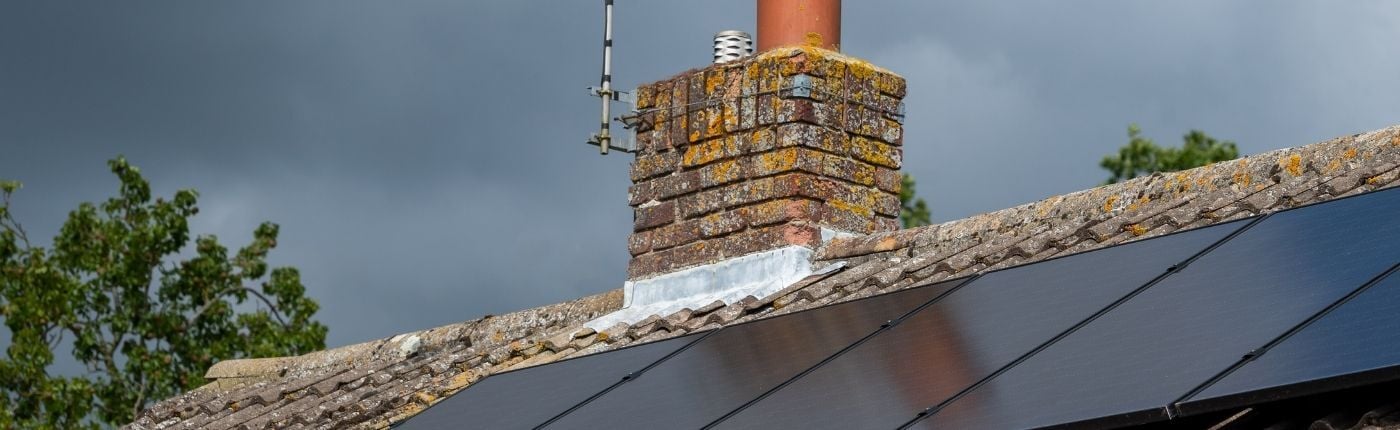
Even on overcast days, solar panels keep working. Research from the University of Brighton shows that while cloud cover reduces the direct sunlight reaching panels, solar panels can still use the sunlight that filters through clouds (diffuse light). That means your system continues generating energy—just at a lower output than on bright, clear days.
Think of it this way: a sunny midday might push your panels close to full capacity, while a grey, cloudy day will see them producing less—but they’re still making electricity throughout daylight hours.
Do Solar Panels Work in the Rain?
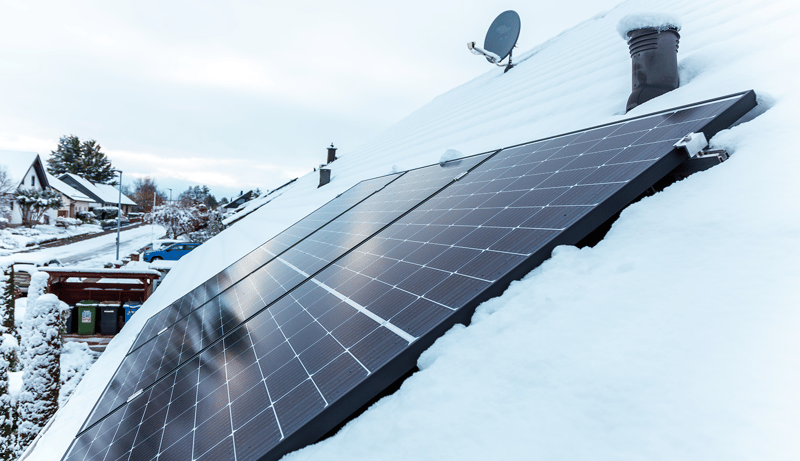
Rain doesn’t stop solar panels from working. Panels are designed to safely operate in wet conditions. On rainy days, solar panels usually produce less of what they would on a sunny day, because rain comes with thicker clouds and water droplets that scatter the sunlight.
How Weather Affects Solar Panel Output
| Weather |
Typical Output Compared to Sunny Day |
What This Means for Your Panels |
| Clear sky |
100% |
Panels perform at their best. |
| Light clouds |
60–80% |
Slight drop in power, but diffuse light still helps generate electricity. |
| Heavy clouds |
20–40% |
Big drop in output, though panels still work steadily. |
| Overcast / grey sky |
10–25% |
Minimal power, with occasional brief boosts when light breaks through. |
This table gives a rough guide to what you can expect in typical UK weather. Data from a synthesis of global studies including UK/Germany data, adapted for cloudy conditions.
The bright side is that the Brighton study found that UK rain helps wash away dust and dirt that can otherwise reduce panel efficiency. So those rainy days aren’t all bad news—they can actually help your panels stay cleaner and more efficient. In fact, under typical southeast-UK rainfall patterns, dust lowers solar transmission by only a few per cent over several weeks.
Temperature, Humidity, and Efficiency
Solar panel output isn’t just about sunlight—it’s also affected by temperature and humidity. Cooler, breezy days can sometimes be more efficient than hot, sunny days because high temperatures can reduce panel performance. On cloudy, humid days, lower sunlight reduces energy, but cooler panels can slightly offset this loss.
Brighton researchers also note that local factors, like bird droppings, can create hot spots that reduce output, so keeping your panels clear is always a good idea.
Planning for the UK Climate
UK gov research shows that solar PV is a reliable contributor to electricity, even with frequent clouds and rain. However, extended periods of thick cloud (“solar droughts”) can reduce output for days or weeks. That’s why planning with storage or combining solar with other renewable sources is important for a consistent supply.
Regional differences matter too: northern UK sites, like Scotland, experience more rain and cooler temperatures but often show lower average long-term degradation. Southern areas see slightly higher performance loss due to hotter, more humid summers.
Bottom Line
Your solar panels will work in the rain or the sunshine. Cloudy days mean reduced output, and long periods of grey weather require careful planning, but your system continues to generate energy. Over time, rainfall even helps keep panels clean, and cooler temperatures can improve efficiency.
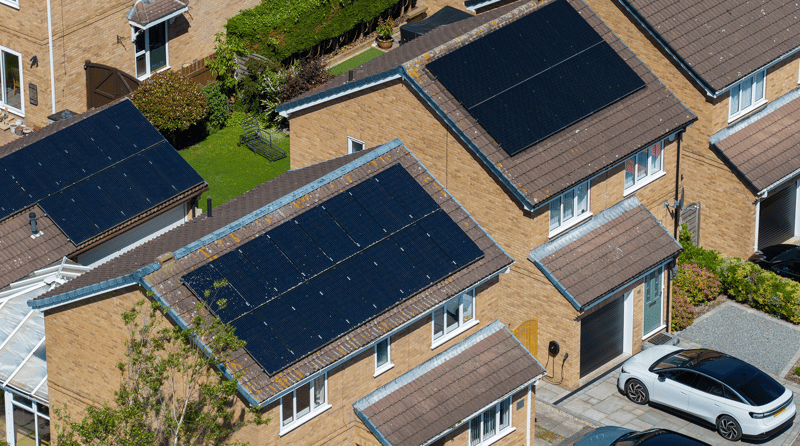
With the right setup and expectations, solar panels remain a practical, reliable way to reduce bills and carbon emissions across the UK—whatever the weather.