Table of Contents
If you’ve been wondering whether solar panels are a smart choice for your home, you’re not alone. With rising energy costs and growing interest in sustainable living, many UK homeowners are asking the same question: “Are solar panels really worth it?”
So here's an honest answer: for most UK homeowners, solar panels are worth it. But how much depends on your roof, your household, and your circumstances. This guide walks you through what to look at, what the numbers tend to look like, and — just as importantly — the situations where solar might not stack up.
Are Solar Panels Worth It in the UK?
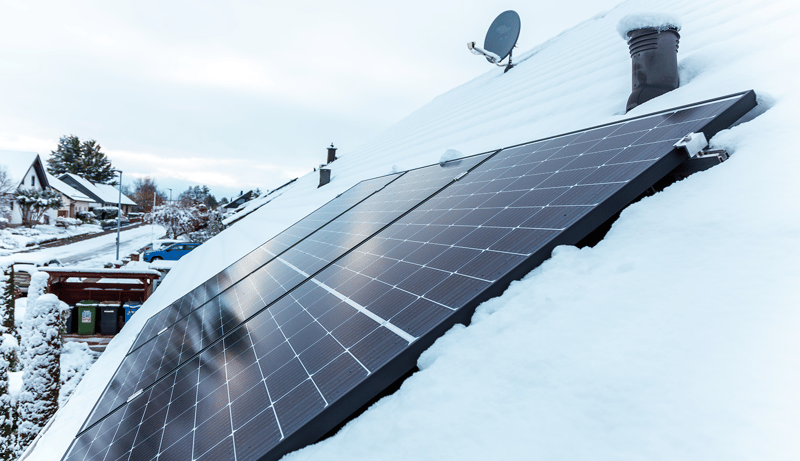
It's a fair question. The UK isn't exactly famous for sunshine — but solar panels don't need direct sunlight to work. They generate electricity from daylight, including on overcast days.
The data backs this up: the UK now has around 1.5 million solar installations, generating 16–17 GW of capacity. Southern and eastern England receive the highest solar irradiation and typically see the strongest returns, as government statistics confirm. But even Scotland, the north of England, and Wales generate enough electricity to make solar financially viable — particularly if you use electricity during the day or pair your panels with a battery.
Academic research shows that a typical 3 kWp system can reduce a household's grid demand by around 24% through direct self-consumption, and with electricity prices significantly higher than they were in 2018 when that study was conducted, the financial benefit is now considerably greater.
There's also a property value angle: research from the University of Birmingham indicates that solar-equipped homes sell for several thousand pounds more than comparable properties without panels — so the investment works both while you live there and when you sell.
Are Solar Panels Worth It in Scotland?
Scotland does receive less solar irradiation than the south of England, but the difference is smaller than most people assume. Edinburgh gets comparable solar hours to parts of northern Germany, where solar is extremely widespread. Aberdeen, Inverness, and Glasgow all generate meaningful electricity from solar PV systems.
The key variables in Scotland are the same as anywhere else: roof orientation, shading, system size, and how much electricity you use during the day. A south-facing roof in Edinburgh with moderate daytime electricity use can still achieve a solid payback period — and benefits from the same UK-wide grant schemes and Smart Export Guarantee payments.
Don't rule out solar based on the weather. Get a site-specific yield estimate from an accredited installer — that's the only number that really matters for your home.
Key Factors: Is It Worth Getting Solar Panels for Your Home?
1. Your roof
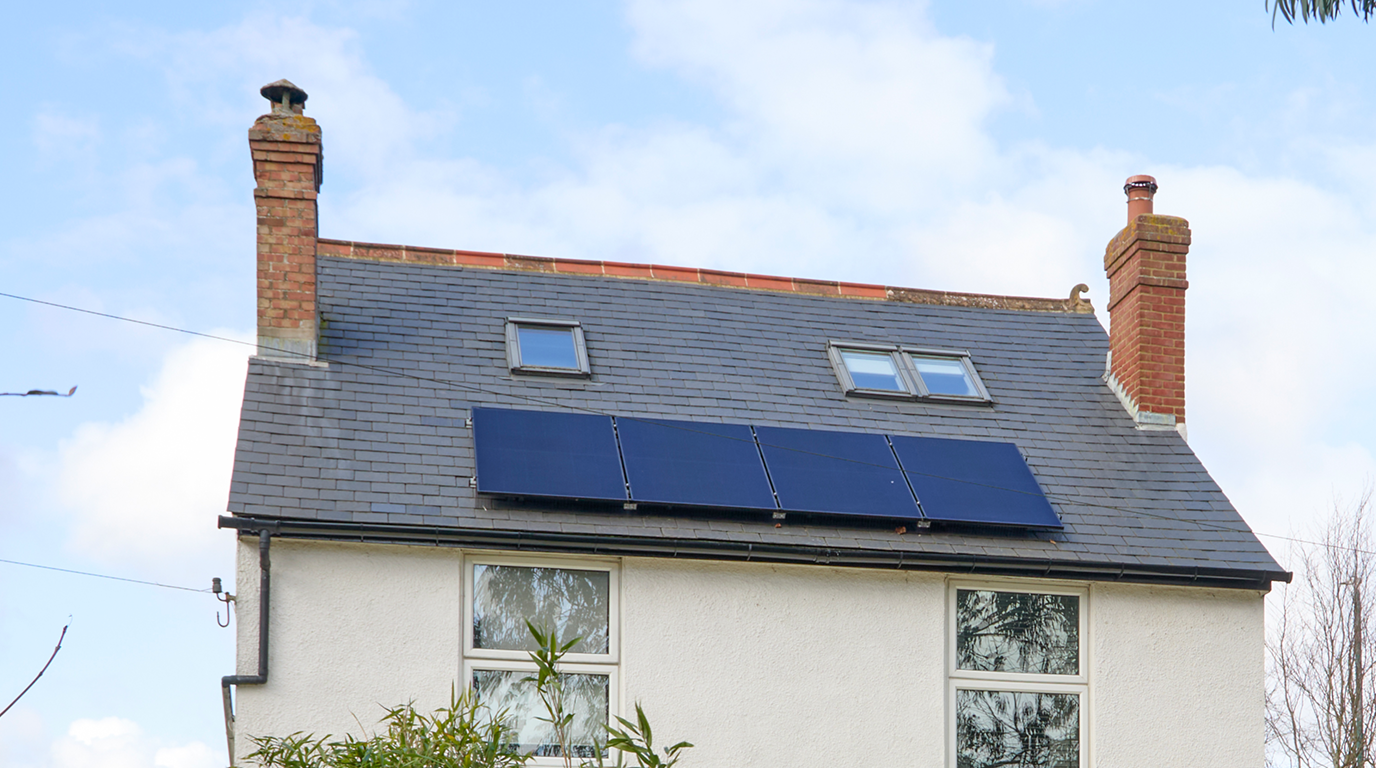
Best case: south-facing, unshaded, pitched roof with enough space for 6–14 panels. East- or west-facing roofs still work well, typically generating 15–20% less than south-facing.
2. When you use electricity
Solar panels generate electricity during daylight hours. The more electricity you use during those hours, the more you save directly — rather than exporting it at a lower rate.
High daytime users include: households with home offices, heat pumps, electric vehicles charged in the day, and anyone at home most of the time.
3. System size and upfront cost
Most domestic systems range from 3 to 5 kWp. Grants, interest-free loans, and group-buying schemes can reduce the upfront cost significantly. See what support is available →
4. Export payments (SEG)
Any electricity your panels generate that you don't use is exported to the grid. Under the Smart Export Guarantee (SEG), energy suppliers pay you for this — rates currently range from around 3p to 24p per kWh. Choosing a competitive tariff meaningfully improves your overall return.
A Real-World Example: What Could You Actually Save?
|
Example: 3-bed semi, Midlands, 3.5 kWp south-facing system Annual generation: ~3,000 kWh Self-consumed (used directly): ~1,200 kWh (~40%) Annual saving on bills: ~£400–£500 (at current electricity prices) SEG export earnings: ~£60–£150/year depending on tariff Total annual benefit: ~£460–£650 With a battery added (£2,000–£5,000 extra): self-consumption rises to 60–70%, pushing annual savings to £600–£800+. |
These are estimates — your actual figures depend on your roof, usage, and the system your installer recommends. For a full breakdown of costs and payback timelines, see our solar panel ROI guide →
Is It Worth Getting Solar Panels With a Battery?
Adding a battery storage unit is increasingly popular — and it changes the maths considerably.
Without a battery, surplus solar electricity is exported to the grid at the SEG rate. With a battery, that surplus is stored and used later — in the evening, overnight, or on cloudy days. This is called self-consumption, and it's where most of the financial value lies.
The rough numbers: a solar-only system might cover 30–40% of your electricity needs from self-consumption. Adding a battery can push that to 60–70%. On a typical household electricity bill, that's a meaningful difference.
If you have an electric vehicle, a heat pump, or high evening electricity use, a battery is particularly worth considering. Learn more about battery storage →
Why Some People Say Solar Panels Aren't Worth It — And Whether They're Right
"The payback period is too long"
This was a stronger argument a decade ago, when electricity was cheaper, and panels were expensive. Today, with electricity prices significantly higher and solar costs roughly 70% lower than in 2010, payback periods are much shorter than they used to be. See our full payback period guide →
"The UK doesn't get enough sun"
This is a misconception. Solar panels work on daylight, not just sunshine. Government data shows that even northern regions generate meaningful output, and the UK's 16–17 GW of installed solar capacity is evidence that the economics work across the country.
"I'm planning to move"
A genuine constraint — solar is most worthwhile if you stay 7+ years. That said, research suggests solar-equipped homes sell for several thousand pounds more than comparable properties without panels, so you may recover much of the investment in your sale price.
"My roof isn't suitable"
This can be a real barrier. North-facing, heavily shaded, or structurally compromised roofs may not be suitable, or output may be too low to justify the cost. An accredited installer will tell you honestly. Always get at least two quotes.
"I can't afford the upfront cost"
Increasingly addressable through government grants, the Warm Homes Plan, ECO funding, interest-free loans, and group-buying schemes. Check what support you qualify for →
When Is It Worth Installing Solar Panels? A Quick Summary
|
Your situation |
Solar likely worth it if... |
|
South-facing, unshaded roof |
Work from home or run appliances during the day |
|
Moderate-to-high electricity use |
Planning to stay 7+ years |
|
Access to grants/schemes or a good SEG tariff |
Considering an EV or heat pump |
Solar panels are less financially appealing if your roof is north-facing or heavily shaded, your electricity use is low or mainly at night, you have no access to grants/schemes or a competitive SEG tariff, or you're likely to move within 5 years.
Grants and Incentives
Several schemes can reduce the upfront cost of solar panels, including the Warm Homes Plan, ECO funding, and the Smart Export Guarantee. It's worth checking eligibility before getting quotes — it can significantly change the financial case. See all available solar grants and funding →
Looking ahead, the Future Homes Standard will require most new-build homes to include solar PV — a further signal that solar is becoming the default, and that panels add long-term value to existing properties.
Practical Steps to Decide if Solar Panels Are Worth It for You
- Check your annual electricity consumption from your energy bills — and note whether your heaviest usage is daytime or evening.
- Assess your roof: orientation, shading, and available space. South-facing, unshaded roofs are ideal, but east/west can still work well.
- Get a site-specific yield estimate from an accredited installer — this tells you exactly how much your roof can generate.
- Check grant eligibility before getting quotes — see what's available →
- Get at least two quotes and ask each installer to show you the projected savings.
- Decide on battery storage — if your evening usage is high or you have an EV, factor this in from the start. Learn more →
- Compare SEG tariff rates — Ofgem's SEG page is a good starting point.
So — Are Solar Panels Worth It?
For most UK homeowners — especially those with a south or east/west-facing roof, moderate to high daytime electricity use, and plans to stay in their home for 7+ years — solar panels are a financially sound investment in 2026. The evidence on property value uplift and self-consumption savings both point in the same direction.
If your situation is less clear-cut — smaller roof, lower usage, or tight budget — the answer depends on the specifics. A site assessment is the most useful next step you can take.
|
Thinking about solar for your home? Switch Together works with vetted, accredited installers and uses group buying to help households get a fair price. There's no obligation — just a clearer picture of what solar could mean for your home. Find out how it works → |