Table of Contents
Yes — oil central heating is expensive in 2026. For most off-grid UK homes it costs more to run than mains gas, and materially more than a properly sized heat pump on today's electricity tariffs.
At the Ofgem October 2026 price cap, a typical 3-bed semi on oil (90p per litre) costs about £1,228 a year to heat. The same home on mains gas costs around £1,063. On a heat pump: £957. That's oil landing ~15% above gas and ~28% above a heat pump — and the gap widens further during price spikes, when oil can hit £1,500 or more.
Here is what the numbers actually look like, and what is driving them.
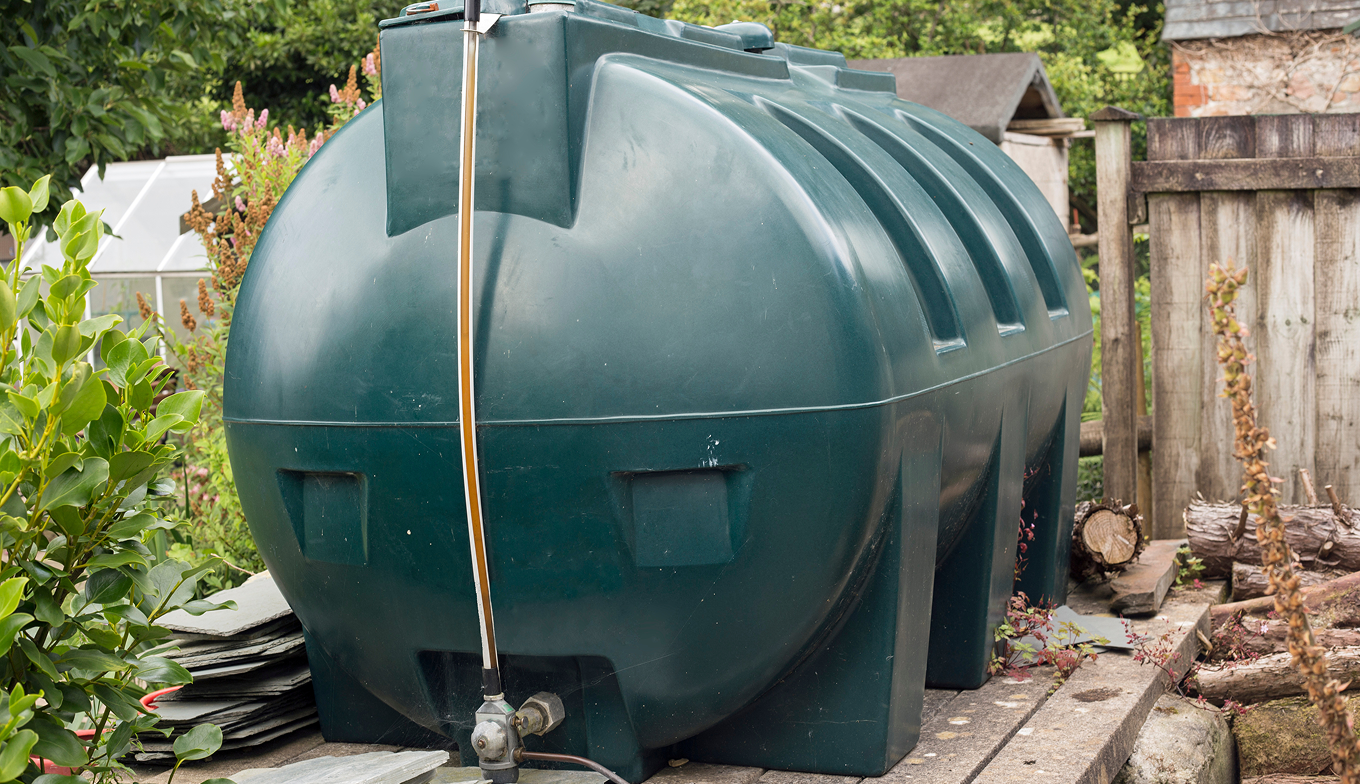
What does heating oil cost in 2026?
After a crisis-driven spike in spring 2026, prices have eased — but they are still well above where they sat a year ago.
- August 2026: industry trackers put kerosene at around 85–90p per litre (inc. VAT).
- April 2026 peak: average retail prices hit 123p per litre, more than double where they started the year.
- Spring 2026 spike: average prices jumped from ~64p per litre in February to ~104p in March to a 123p peak in April — a 92% rise in three months.
- The ONS RPI heating oil series confirms sustained high levels through mid-2026.
In practical terms, a standard 500-litre top-up went from around £320 in February 2026 to £520 in March, with some households quoted more than £600 during the April peak.
How much heating oil does a typical UK home use each year?
Usage depends on home size, insulation, occupancy and how warm you keep the house. Typical figures:
|
Home size |
Typical annual oil use |
Annual spend at 90p/litre |
Annual spend at 110p/litre (spike) |
|---|---|---|---|
|
1–2 bed flat or small terrace |
800–1,200 litres |
£720–£1,080 |
£880–£1,320 |
|
3-bed semi-detached |
~1,364 litres |
£1,228 |
£1,500 |
|
4-bed detached |
2,500–3,500 litres |
£2,250–£3,150 |
£2,750–£3,850 |
|
Large rural or poorly insulated home |
3,500+ litres |
£3,150+ |
£3,850+ |
Usage bands drawn from Energy Saving Trust and OFTEC-standard boiler efficiencies. The 3-bed figure is calculated from first principles (see assumptions below).
How we calculated the 3-bed figure
- Annual heat demand: 12,000 kWh (space heating + hot water)
- Oil boiler seasonal efficiency: 85%
- Kerosene energy content: 10.35 kWh per litre
- Result: 12,000 ÷ 0.85 ÷ 10.35 = 1,364 litres per year
At 80p per litre that's £1,091. At 90p (current typical): £1,228. At 110p (spring 2026 spike): £1,500. That's a £409 swing on the same home in the same year, driven purely by market volatility.
Is oil heating expensive compared to gas?
At the same 12,000 kWh heat demand, a mains gas home pays roughly £1,063 a year on the October 2026 Ofgem cap (7.97p/kWh, 90% boiler efficiency). Oil at 90p per litre lands at £1,228 — about £165 more, or 15% higher.
That gap narrowed from earlier in 2026 because gas rose 8% at the October cap while oil eased off its April peak — but it's still there, and it's structural. For the full picture on what the average UK household actually pays for gas and electricity in 2026, see our guide to the average UK energy bill in 2026.
Two things make the gap feel worse in practice than the numbers alone suggest:
- Oil isn't covered by the Ofgem price cap. Gas and electricity default tariffs are regulated by Ofgem, reviewed every three months. Oil is not. It moves with global wholesale markets, so bad news anywhere in the oil supply chain lands in your tank price within weeks.
- You buy oil in bulk. A 500-litre top-up is £400–£600 in one go. Gas customers on direct debit smooth the same spend across twelve monthly payments.
Is oil heating expensive compared to a heat pump?
This is where the gap widens most.
A properly sized heat pump with a SCOP of 3.3 (seasonal coefficient of performance: the average amount of heat it delivers across the year for every unit of electricity it uses), running on the October 2026 electricity cap (26.32p/kWh), heats that same 12,000 kWh 3-bed semi for around £957 a year — cheaper than mains gas, and £271 less than oil at 90p per litre (a 28% saving). At a spike price of 110p per litre, oil rises to £1,500 a year — over £540 more than a heat pump for identical heat output.
Even though electricity costs more per unit than oil, a heat pump extracts 3–3.5 units of heat for every unit of electricity it uses. That efficiency multiplier more than closes the gap on paper — and time-of-use tariffs designed for heat pumps push the running cost lower still. A well-designed system hitting a SCOP of 4.0 lands closer to £790/year, widening the oil savings to £430+ at 90p per litre.
Side-by-side, at 12,000 kWh of heat demand (October 2026 cap rates):
|
Heating system |
Fuel input |
Annual cost |
|---|---|---|
|
Oil boiler (spike price) |
1,364 L @ 110p |
£1,500 |
|
Oil boiler (mid) |
1,364 L @ 90p |
£1,228 |
|
Oil boiler (favourable) |
1,364 L @ 80p |
£1,091 |
|
Mains gas boiler |
13,333 kWh @ 7.97p |
£1,063 |
|
Heat pump (SCOP 3.3) |
3,636 kWh @ 26.32p |
£957 |
Assumptions: 12,000 kWh annual heat demand (3-bed semi, space + hot water); oil boiler 85% efficiency, kerosene 10.35 kWh/L; gas boiler 90% efficiency; heat pump SCOP 3.3. Electricity and gas unit rates are the Ofgem October–December 2026 price cap. Standing charges excluded to isolate the heating cost. Prices inc. VAT.
What does it cost in different parts of the UK?
Regional variation is significant. Oil prices swing by tens of pence per litre for the same postcode and order size, and off-grid homes in rural areas tend to use more heat than urban ones of the same size.
Here is a rough regional picture for a 3-bed home (12,000 kWh of heat) at October 2026 prices:
|
Location |
Fuel reality |
Annual heating spend (3-bed, 12,000 kWh) |
|---|---|---|
|
Birmingham (urban, on gas grid) |
Mains gas, on Ofgem cap |
~£1,063 |
|
Rural Devon or Cornwall |
Oil (~90p/L typical) |
~£1,228 |
|
Rural mid-Wales |
Oil, less insulated (higher usage) |
£1,400–£1,900 |
|
Rural Northern Ireland |
Oil dominant (~65% of homes) |
£1,150–£1,500 (regional oil ~85–95p/L) |
|
Any of the above on a heat pump (SCOP 3.3) |
Electricity, on Ofgem cap |
~£957 |
Two takeaways:
- Rural, off-grid households pay the most — often 30–80% more than a comparable urban home on gas, once oil market volatility is factored in.
- A heat pump lands the off-grid home below the Birmingham gas figure. Even at the higher October electricity cap, the efficiency multiplier still puts a heat pump ahead. Location doesn't have to determine the bill.
Regional oil prices tracked by Oilcompare and Pricetank. Gas figures use the Ofgem October 2026 price cap.
Why is heating oil so expensive in 2026?
Four reasons, in roughly this order of impact:
1. No price cap. Ofgem's cap applies to default gas and electricity tariffs only. Heating oil is unregulated, so global crude moves, exchange rates and refinery outages flow straight through to the price you pay at the tank.
2. 2026's geopolitical shock. The spring 2026 spike — from 64p per litre in February to 123p in April — was driven by supply disruption in the Middle East. Prices have since eased but remain well above pre-crisis levels.
3. Bulk buying. Oil is paid for six months at a time. A single 500-litre order at April 2026 prices was £200 more than the same order in February. That's a cash-flow shock a gas customer never sees.
4. Regional and supplier variation. The Competition and Markets Authority's July 2026 review found the heating oil market to be "generally competitive," but flagged that the 1.5 million UK households on oil face unique risks from uncapped, volatile pricing — and recommended stronger consumer protections.
Here's what replacing oil heating actually looks like
If you've read this far, you know the honest answer: oil heating is a costly, volatile way to heat a UK home in 2026, and it is getting harder to justify against the alternatives.
The good news is the maths on replacement has shifted decisively in the last twelve months:
- The Boiler Upgrade Scheme grant is now £9,000 for oil and LPG homes in England and Wales — up from £7,500.
- After the grant, a typical air source heat pump install for a 3-bed semi lands around £2,500. That's less than replacing your oil boiler like-for-like (£3,500–£5,500).
- Running costs typically drop £270–£540 per year for a household coming off oil. Using our own numbers above (12,000 kWh, October 2026 cap): swapping oil at 90p/litre (£1,228) for a SCOP 3.3 heat pump (£957) saves £271 a year; at spike prices of 110p/litre (£1,500) the saving grows to £543. A high-performing SCOP 4.0 heat pump (~£790/year at 26.32p/kWh electricity) widens the gap further — £438 saved versus 90p/litre oil, or £710 versus a spike-priced tank.
- Group-buying schemes negotiate lower install prices than solo quotes.
For the full comparison — running costs, install cost, home suitability, what happens to your oil tank — read our detailed guide: Heat Pump vs Oil Boiler: Is It Worth Switching in 2026?
Frequently asked questions
Is oil central heating expensive to run in 2026?
Yes. A typical 3-bed UK home on oil spends around £1,228 a year on heating at 90p per litre—about 15% more than mains gas and 28% more than a well-specified heat pump on the October 2026 Ofgem cap. During the spring 2026 price spike, the same home paid nearly £1,500. For a broader breakdown of what UK households actually pay for gas and electricity, see our Average UK energy bill 2026 guide.
What is the current price of heating oil per litre in the UK?
As of August 2026, kerosene is around 85–90p per litre including VAT. Prices peaked at 123p per litre in April 2026 during the spring supply shock and have eased since, but they remain above pre-2026 norms.
How much heating oil does an average UK house use per year?
A 3-bed semi typically uses 1,364 litres per year. Actual use varies by home.
How long does 500 litres of heating oil last?
Roughly 5–8 weeks for an average 3-bed semi during heating season, or 3–4 months if you're only running hot water and occasional heating outside winter. Colder, larger or less well-insulated homes get through it faster.
Is oil heating cheaper than gas?
Not in 2026. On our own calculation using the October 2026 Ofgem cap, oil costs about 15% more per year than mains gas for a typical 3-bed home — and it isn't protected by the price cap, so bills are more volatile.
Is a heat pump cheaper to run than an oil boiler?
Usually, yes. A properly sized heat pump with a SCOP of 3.3 costs around £957 a year to heat a 3-bed semi at the October 2026 electricity cap — saving roughly £271 a year versus oil at 90p per litre, and over £540 during a price spike. A high-performing SCOP 4.0 system saves even more.
Are there grants to replace an oil boiler?
Yes. The Boiler Upgrade Scheme now offers £9,000 towards a heat pump for oil and LPG households in England and Wales. Northern Ireland, Scotland and the Republic of Ireland have their own schemes.